
Project Portfolio Management: A Strategic Approach
Project Portfolio Management (PPM) goes far beyond traditional project management. It is a comprehensive and strategic approach that enables organizations to bring all their projects together into a consistent portfolio, manage performance, and ensure alignment with business strategy.
What Is Project Portfolio Management?
Project Portfolio Management (PPM) is much more than simply managing projects. It is a strategic approach that optimizes the management of all of an organization’s projects by grouping them into a structured and coherent portfolio.
PPM enables organizations to align each project with strategic business objectives, allocate resources effectively, prioritize initiatives intelligently, and monitor overall progress.
By adopting a portfolio-based approach, organizations ensure that projects remain aligned with strategic priorities, allowing them to proactively respond to market changes and maximize business outcomes.
In this guide, you will discover:
- What Project Portfolio Management is and why it has become essential today.
- The three key pillars of effective project portfolio management.
- The main stakeholders involved in the process.
- The benefits of using a PPM solution like Project monitor to structure governance and improve decision-making.
The Three Key Pillars of Project Portfolio Management
Portfolio Management is essential when managing a large number of projects. It helps organizations maintain visibility, respond with agility, and ensure success in an increasingly complex and changing environment.
Unlike traditional project management, which focuses on the operational execution of individual projects, Project Portfolio Management takes a holistic view of all initiatives and manages them in a coordinated way.
It focuses on three key areas to optimize resources and maximize project value:
Pillar 1: Prioritizing Projects
Project Portfolio Management enables organizations to accurately identify the initiatives that should be launched while determining which projects should be postponed, stopped, or reconsidered.
This approach provides essential insights to make informed decisions regarding resource availability and project planning, helping maximize project success.
Learn more in our dedicated article: How to Prioritize Projects.
Pillar 2: Aligning Projects with Business Strategy
This step is essential to ensure that every project and initiative directly supports the strategic objectives defined by leadership.
Strategic alignment enables organizations to stay focused in a constantly changing environment while avoiding scattered efforts and unnecessary investments.
Discover how to create project planning that ensures perfect alignment with your organization’s vision in our article: How to Build an Effective Project Plan.
Pillar 3: Balancing the Project Portfolio Against Constraints
Finding the right balance between available resources, financial capacity, operational constraints, and business priorities is one of the biggest challenges organizations face.
Project Portfolio Management helps address this challenge by optimizing resource allocation and ensuring that each project receives the right level of support.
Our dedicated articles, How to Build a Resource Plan and Understanding Budget Tracking, provide further insights into these essential aspects of portfolio management.
Key Stakeholders in Project Portfolio Management
Successful Project Portfolio Management requires collaboration between strategic, decision-making, and operational stakeholders.
PPM acts as a bridge between these different areas of responsibility, connecting all contributors involved in project success.
1. Executive Leaders
Executive leaders define the organization’s overall strategy. They are responsible for setting objectives, values, and strategic direction.
Their role is critical because project alignment depends on their vision and priorities.
2. Project Portfolio Managers
Project Portfolio Managers are responsible for coordinating and optimizing the project portfolio.
They ensure that each initiative aligns with business strategy, manage resources effectively, and make informed decisions to maximize value and return on investment.
3. Resource Managers
Resource Managers oversee the allocation of resources, including people, budgets, and other operational assets.
They work closely with Portfolio Managers to optimize resource utilization across all projects.
4. The PMO (Project Management Office)
The PMO acts as the orchestrator of the project portfolio.
It defines best practices, provides the right tools, ensures consistency and alignment between projects, and supports teams throughout project execution.
5. Project Managers
Project Managers are responsible for leading individual projects.
They oversee execution, monitor progress, and ensure that project objectives are achieved while remaining aligned with the organization’s broader strategy.
6. Project Team Members
Project team members are responsible for executing tasks, contributing their expertise, and supporting the success of each initiative.
Their skills, commitment, and collaboration are essential to achieving project objectives and delivering expected outcomes.
7. External Stakeholders
Depending on the nature of the projects, external stakeholders such as customers, partners, suppliers, or regulatory organizations may play a critical role in the success of Project Portfolio Management.
Their involvement, requirements, and collaboration must be taken into account to ensure successful project delivery.
8. Governance Bodies (Steering Committees & Executive Committees)
Governance bodies play a vital role in ensuring portfolio consistency, performance, and alignment with business strategy.
The Steering Committee brings together key decision-makers who monitor project progress, make strategic decisions, define priorities, allocate resources, and adjust plans to maximize project success.
Similarly, the Executive Committee provides a broader strategic perspective by ensuring that the project portfolio continues to contribute meaningfully to the organization’s overall objectives.
Close collaboration between governance bodies and other PPM stakeholders creates an environment that supports efficiency, agility, and optimized resource management, ultimately increasing the chances of project success.
All these stakeholders work together to align projects with the company’s vision, optimize resources, and create business value.
Their collaboration, supported by solutions such as Project monitor, ensures that every project is managed within the broader context of the portfolio.
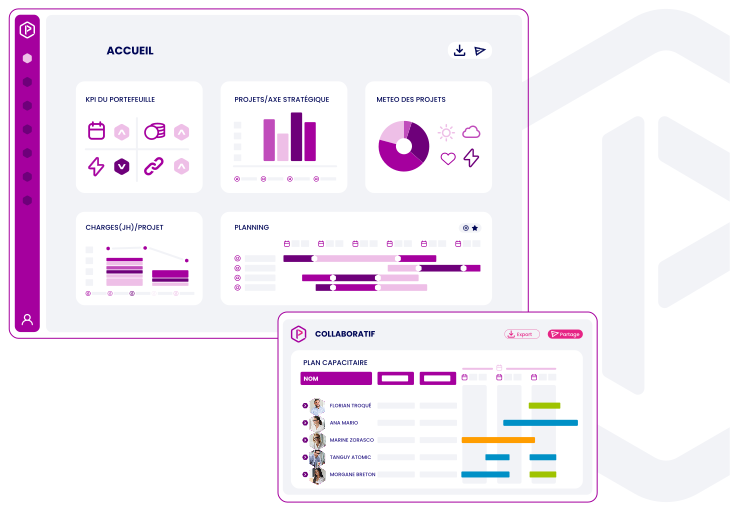
Which tool should you use to manage Project Portfolio Management?
The main challenge of Project Portfolio Management is bringing together diverse information from multiple projects while maintaining a clear view of the organization as a whole.
While spreadsheet-based approaches may be a starting point, organizations managing multiple initiatives quickly need a dedicated Project Portfolio Management (PPM) solution.
PPM software solutions, such as Project monitor, address the core challenges of portfolio management, from project requests and resource planning to milestone tracking and strategic alignment.
The goal is to provide decision-makers with a complete overview of all projects, enabling better governance, prioritization, and strategic decision-making.
To achieve this, all stakeholders must contribute by managing and updating key project information directly within the platform.
Users typically highlight the following benefits:
- Gain greater visibility : All project data is centralized in a single platform, providing a 360° view of the entire project portfolio. Decision-makers gain real-time visibility into project status, priorities, risks, and performance.
- Improve decision-making: With PPM software, organizations have access to accurate and up-to-date information about project progress and performance. Customizable dashboards, reports, and indicators help teams react faster and make better-informed decisions.
- Optimize project prioritization and portfolio decisions: A global view of the portfolio improves the quality and reliability of project prioritization decisions. Organizations can compare initiatives based on strategic value, available resources, risks, and expected outcomes. Discover our detailed article on How to Prioritize Projects.
- Align projects with strategic objectives: A Project Portfolio Management solution provides the data needed to easily prioritize projects based on strategic alignment, resource availability, and potential business impact. This approach ensures that investments and efforts are focused on initiatives that directly support organizational goals.
- Optimize resource utilization: A PPM solution helps organizations allocate resources effectively based on priorities, skills, and capacity. Teams can better anticipate workload, identify resource constraints, and balance assignments across projects. Discover our detailed article on How to Build a Resource Plan.
- Control and monitor budgets: A PPM solution provides budget tracking capabilities for each project, enabling more effective financial management and improved forecasting. It can also be connected with financial management systems to provide a more complete view of project investments. Discover our detailed article: Understanding Budget Tracking.
- Reduce risks: A PPM solution provides tools to identify, evaluate, and monitor project risks more effectively. Organizations can anticipate potential issues and implement mitigation strategies earlier.
- Improve communication and collaboration: A dedicated PPM platform creates a shared environment where teams can communicate, collaborate, and access reliable project information. It simplifies task coordination, progress tracking, and collaboration between stakeholders, improving overall operational efficiency.
- Support change management and promote best practices: A Project Portfolio Management solution helps organizations standardize project management processes and encourage the adoption of best practices. Through templates, frameworks, and standardized workflows, PPM tools help create a stronger project management culture and continuously improve project performance.
- Maximize return on investment: A global portfolio view ensures that every project remains aligned with business strategy. Organizations can optimize resource allocation, focus investments on high-value initiatives, and maximize the impact of their projects.
Move Toward Strategic Project Management
Project Portfolio Management enables organizations to move beyond isolated project execution and adopt a structured, strategic, and comprehensive approach to managing initiatives.
By adopting this approach and using a solution like Project monitor, organizations can:
- Align projects with organizational priorities.
- Manage resources, workloads, and budgets with greater reliability.
- Centralize key data to improve governance and decision-making.
- Strengthen collaboration between strategic, operational, and technical stakeholders.

Take Action
Don’t let complexity slow your organization down.
Project monitor simplifies project portfolio management and helps you achieve your strategic objectives with flexibility and efficiency.
❓ Frequently Asked Questions About Project Portfolio Management
What is the difference between Project Management and Project Portfolio Management?
Project Management focuses on planning, executing, and managing a single project.
Project Portfolio Management (PPM) takes a broader strategic approach by managing all projects across an organization. It focuses on prioritizing initiatives, aligning projects with business objectives, optimizing resources, and maximizing the overall value delivered by the portfolio.
Why use Project Portfolio Management Software?
A PPM solution centralizes all project information, provides a global view of the portfolio, supports strategic decision-making, and improves resource and budget management.
It is essential for organizations managing multiple projects that require coordination, visibility, and alignment with business priorities.
What are the objectives of Project Portfolio Management?
The objectives of Project Portfolio Management are to: align projects with business strategy, prioritize initiatives based on value and impact, optimize resource allocation, reduce project risks, monitor portfolio performance, improve decision-making, and maximize return on investment across projects.
Who are the main stakeholders involved in Portfolio Management?
The key stakeholders involved in Project Portfolio Management include: executive leaders, project portfolio managers, resource managers, project managers, the Project Management Office (PMO), project team members, external stakeholders, and governance bodies such as Steering Committees and Executive Committees.
Together, these stakeholders ensure that projects remain aligned with organizational strategy, resources are optimized, and portfolio value is maximized.
How do you prioritize projects within a portfolio?
Project prioritization should be based on objective criteria such as: strategic value and alignment, business impact, available resources, project risks, budget requirements, expected timelines, and organizational capacity.
A PPM solution like Project monitor provides prioritization frameworks, portfolio dashboards, and visual indicators to support better decision-making and help organizations select the initiatives that create the most value.

